Building regulations specify that your heating system must include a minimum set of controls: boiler interlock, room and hot water thermostats, and a timer/programmer.
Boiler Interlock
Boiler interlock is not a physical control device but rather a wiring arrangement that prevents your boiler from heating your home unnecessarily. For example, it ensures that the boiler does not operate when the temperature set on the thermostat has been reached. Without interlock, the boiler could run based solely on the timer, regardless of the indoor temperature, leading to significant energy waste.
Thermostats
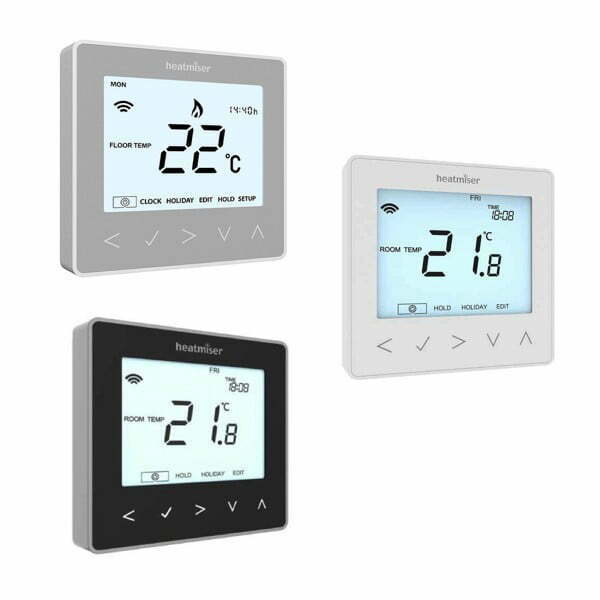
A room thermostat detects the air temperature in its vicinity and sends a signal to the central heating pump and boiler via the programmer to stop heating the radiators. This component is crucial, as boiler interlock relies on its function. The room thermostat is typically located centrally, such as in a hallway or landing, and should be installed about one and a half meters above the floor. It is advisable to avoid placing it in a kitchen, as cooking can cause fluctuations in temperature.
The hot water cylinder thermostat operates similarly but monitors the temperature of the water inside the hot water cylinder. Once the water reaches the desired temperature, it sends a signal to the central heating pump and boiler via the programmer to stop heating the water.
Programmable Timer
A 7-day programmable timer allows you to adjust your heating system to align with your daily and weekly occupancy patterns. Ideally, your heating system should be divided into at least two independently controlled zones:
1. Space Heating Zone/s (e.g., radiators for room heating)
2. Hot Water Zone (e.g., for sinks, baths, and showers)
This zoning enables you to set each area to operate only as needed. For instance, you can program your boiler to turn on automatically before you wake up to heat water for showers without activating the central heating.
Additionally, programmable timers and thermostats that connect to your home network are available, allowing you to control your heating system remotely while away.